Maximizing Your Product's Features for Impactful Demos
Uncovering Essential Product Benefits

Understanding the essential benefits of your product is critical for crafting demo videos that truly connect with potential customers. Start by examining user requirements and analyzing the competitive landscape. This process involves collecting feedback from existing customers, researching competitors, and identifying market gaps that your product effectively addresses. By emphasizing these benefits, you ensure your demo captures attention and drives conversions.
Once you identify the key benefits, choose the most compelling features to highlight in your video. Concentrate on aspects that resolve specific issues or improve the user experience. By showcasing these elements, you can weave a narrative that speaks directly to the viewer's needs, enhancing the appeal of your product. This focused strategy not only captivates prospective customers but also positions your product as a viable solution to their challenges.
Make sure to communicate these benefits clearly and succinctly in your demo. Use simple language and avoid technical jargon that could confuse your audience. The objective is to craft a presentation that not only educates but also excites potential buyers about the opportunities your product offers. This approach increases the chances of turning viewers into customers.
Aligning Features with Customer Challenges
Aligning your product features with customer challenges is a highly effective technique for producing relatable and impactful demo videos. Begin by pinpointing common obstacles faced by your target audience. This may involve conducting surveys, interviews, or diving into online discussions to gather insights into their specific needs. Once you have a firm grasp of these challenges, you can align your product features accordingly.
For example, if your product addresses a widespread issue like time management, illustrate how particular features simplify tasks and save users valuable time. This not only showcases your product's value but also helps potential customers visualize how it can integrate into their lives. By making these connections clear, you enhance the relevance of your demo and help viewers envision themselves utilizing your product.
Consider utilizing real-world scenarios in your demo to demonstrate these challenges and how your product offers solutions. This storytelling technique cultivates a deeper emotional connection with your audience, making your message more memorable. effectively mapping features to customer challenges creates a compelling narrative that resonates with viewers and sparks interest in your product.
Optimizing the Order of Feature Demonstrations
The sequence in which you present features during your product demo can greatly influence viewer engagement and comprehension. Start by outlining a logical progression that guides viewers seamlessly through the demonstration. Begin with the most significant features that tackle primary customer challenges, then gradually shift to secondary features that enhance the overall experience.
Adopt a storytelling technique to maintain viewer interest. For instance, introduce a relatable character facing a problem that your product can solve. As you navigate through the demo, reveal how each feature aids in overcoming this challenge. This narrative style not only keeps viewers engaged but also helps them grasp the practical uses of your product.
Be attentive to pacing throughout the demonstration. Avoid overwhelming your audience with excessive information at once. Instead, allocate sufficient time for each feature, allowing for clear explanations and demonstrations. By prioritizing the demonstration order and sustaining a logical flow, you improve the overall effectiveness of your video and enhance the likelihood of converting viewers into customers.
Showcasing Unique Selling Proposition

Showcasing your unique selling proposition (USP) is vital for distinguishing your product from competitors in a saturated market. Start by pinpointing what sets your product apart, whether it’s cutting-edge technology, superior quality, or outstanding customer service. Clearly communicating these USPs in your demo enables viewers to understand why they should choose your product over others.
Integrate these unique features into the narrative of your demo. For instance, if your product offers an exceptional warranty or customer support program, ensure these elements are prominently featured. Highlighting USPs not only reinforces your product's value proposition but also builds trust with potential customers by showcasing the advantages of choosing your brand.
Consider employing comparisons with competitors to underscore your USPs. This may involve demonstrating how your product excels or offers additional features compared to similar products. Maintain a positive tone and avoid negative comparisons that might alienate potential customers. By focusing on your product's strengths and effectively communicating its unique selling points, you enhance its attractiveness and influence purchasing decisions.
Utilizing Customer Testimonials Effectively
Incorporating customer testimonials into your product demo videos adds authenticity and credibility, enhancing the persuasiveness of your presentation. Start by collecting feedback from satisfied customers who have experienced success with your product. These genuine user experiences provide social proof that reinforces your offering's effectiveness and can significantly sway potential buyers' decisions.
When including testimonials, select stories that emphasize specific benefits or features of your product. For example, if a customer shares how your product boosted their productivity, feature that in the demo to illustrate its practical value. This makes the content relatable and helps viewers visualize how they might achieve similar outcomes.
Present testimonials in a way that feels natural within the video. This could involve brief clips of customers discussing their experiences or written quotes displayed alongside relevant product demonstrations. By integrating customer testimonials into your demo, you strengthen your message and inspire confidence in prospects regarding their purchasing decisions.
Strategizing Your Video Structure
Establishing Clear Goals for Your Video
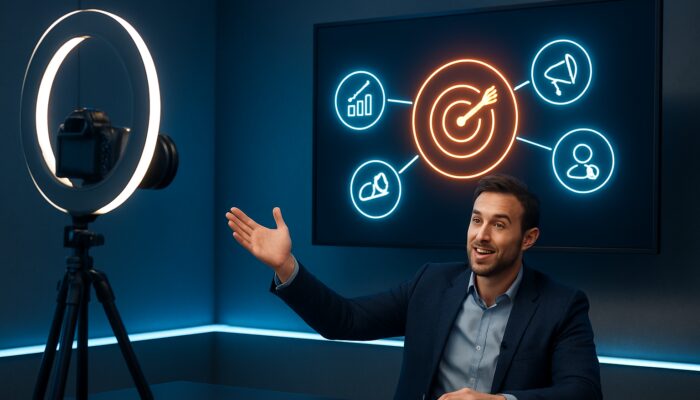
Establishing clear goals for your product demo video is crucial for ensuring that the content effectively drives sales outcomes. Identify the primary objectives you want to achieve with the video, such as increasing brand awareness, generating leads, or prompting immediate purchases. By setting these goals from the outset, you can tailor your content to align with your desired results.
With your objectives in mind, develop a focused script that addresses these goals without unnecessary distractions. Avoid overwhelming viewers with excessive details that could dilute your core message. Concentrate on showcasing the most relevant features and benefits that directly relate to your sales goals, ensuring that every element of the video serves a distinct purpose.
Keep your target audience in mind throughout the planning stages. Consider their preferences, pain points, and what motivates them to make a purchase. By designing a video that directly addresses your audience's needs and aligns with your objectives, you enhance the chances of converting viewers into customers and achieving your sales targets.
Designing Smooth Scene Transitions
Designing smooth scene transitions is a vital step in planning your product demo video, as it guarantees a seamless flow that keeps viewers engaged. Begin by outlining the key segments of your video, including introductions, feature demonstrations, and customer testimonials. Clearly define how you will transition between these segments to maintain momentum and coherence.
Consider employing visual cues, such as graphics or animations, to signal transitions between scenes. This not only enhances the visual appeal of your video but also aids viewers in following along without confusion. For instance, a brief animation could illustrate the transition from one feature to another, reinforcing the narrative flow and maintaining audience engagement.
Practice the pacing of these transitions to ensure they are neither abrupt nor sluggish. A well-paced transition sustains viewer interest and prevents disconnection from the content. By thoughtfully outlining scene transitions, you create a cohesive and engaging product demo that effectively communicates your message and motivates viewers to take action.
Timing Allocation for Different Sections
Allocating time for various sections of your product demo video is essential for sustaining viewer interest and ensuring a comprehensive presentation. Start by determining the overall length of your video and breaking it down into segments based on your planned content. This might encompass sections for introductions, key features, customer testimonials, and calls to action.
Be cautious with the duration of each section to avoid rushed explanations or excessively lengthy segments. A good guideline is to keep each feature demonstration concise, ideally around 30 to 60 seconds, allowing clear explanations without overwhelming the audience. This pacing promotes viewer interest and encourages them to remain engaged throughout the entire video.
Consider testing your video with a sample audience to gather feedback on pacing and timing. This can help identify areas for adjustments to improve viewer retention. By carefully allocating time to each section, you create a balanced and engaging product demo that effectively communicates your message and drives sales.
How Can Storytelling Transform Your Demo Videos?
Which Narrative Elements Are Most Effective?
Storytelling can profoundly elevate your product demo videos by creating relatable scenarios that engage viewers and foster emotional connections. Start by identifying key narrative elements that resonate with your target audience, such as characters, challenges, and resolutions that mirror real-life situations your potential customers face.
When constructing your story, emphasize transformations that occur through the use of your product. For example, portray a character grappling with a common issue, then showcase how your product provides a solution that leads to a positive outcome. This narrative arc makes the content more engaging and helps viewers visualize the benefits of your product in their own lives.
Incorporating relatable characters and scenarios promotes empathy and trust among viewers. When they observe someone like themselves achieving success with your product, they are more likely to feel compelled to take action. By effectively leveraging storytelling elements in your demo videos, you create a captivating narrative that drives engagement and enhances the persuasive power of your presentation.
Creating Emotional Connections with Viewers
Creating emotional connections through character-driven examples in your demo videos is a powerful strategy for building trust and motivating prospects to act. Start by featuring characters that your target audience can relate to, whether it's a small business owner, a busy parent, or a tech-savvy millennial, depending on your product's demographics.
As you present the product in action, emphasize the challenges these characters encounter and how your product assists them in overcoming those obstacles. This method not only renders the content more relatable but also enables viewers to envision themselves in similar situations. By forging an emotional connection, you increase the likelihood that prospects will remember your product and view it as a viable solution.
Consider using testimonials from real customers to reinforce these emotional connections. Hearing success stories from individuals who have benefited from your product adds authenticity to the narrative and builds trust. By melding character-driven storytelling with genuine testimonials, you create a compelling emotional appeal that encourages viewers to engage with your product and ultimately make a purchase.
How to Address Viewer Objections Effectively?
Addressing potential viewer objections through plot resolution in your demo videos is crucial for reassuring audiences about your product's reliability and suitability. Start by anticipating common doubts or concerns that potential customers may have, such as usability, effectiveness, or pricing. Acknowledging these objections within your narrative shows that you understand your audience's hesitations.
Incorporate scenarios in your demo that directly tackle these objections. For instance, if viewers may worry about the learning curve associated with your product, illustrate a character quickly adapting to its use with ease. This not only addresses the objection but also reinforces the message that your product is user-friendly and accessible.
Conclude your narrative with a strong resolution that emphasizes the positive outcomes achieved through your product. This reinforces the idea that any initial concerns were unfounded and that the benefits far outweigh any doubts. By effectively addressing viewer objections within your storytelling, you build confidence in your product and encourage prospects to move forward with their purchasing decisions.
Expert Tips for Crafting Product Demo Videos that Drive Sales
Choosing Appropriate Visual Styles
Choosing the right visual styles for your product demo videos is crucial for aligning with your brand identity and enhancing clarity. Start by considering the overall tone and message you want to convey. For example, a tech startup might favor sleek, modern visuals, whereas a handmade craft business may opt for warm, inviting aesthetics. This alignment creates a cohesive brand image that resonates with your target audience.
Incorporate real-world examples of effective visual styles that bolster clarity and engagement. For instance, using split-screen visuals can effectively showcase your product's features alongside user testimonials. This approach not only highlights the product in action but also reinforces the credibility of the testimonials, making the content more persuasive.
Ensure consistent branding elements, such as colors, fonts, and logos, throughout the video. This not only strengthens brand recognition but also cultivates a polished and professional appearance. By thoughtfully selecting visual styles that align with your brand and enhance clarity, you create a more impactful product demo that captures and maintains viewer attention.
Seamlessly Integrating Customer Testimonials
Integrating authentic customer testimonials into your product demo videos is a powerful way to boost credibility and influence decision-making. Start by collecting feedback from satisfied customers who have experienced positive outcomes with your product. These testimonials provide real-world validation of your product's effectiveness, making your presentation more persuasive.
When incorporating testimonials, strive for seamless transitions between product demonstrations and customer stories. For instance, after showcasing a key feature, include a brief clip of a customer sharing their experience with that feature. This approach reinforces the message and provides social proof that enhances viewers' confidence in your product.
Lastly, consider varying the format of testimonials to keep the content engaging. This could involve video clips, written quotes, or even audio snippets. By diversifying how testimonials are presented, you maintain viewer interest while effectively communicating the positive impact of your product. Thoughtfully integrating authentic feedback enhances your demo's credibility and encourages prospects to consider making a purchase.
Optimizing Video Length and Pacing
Optimizing the length and pacing of your product demo videos is vital for sustaining viewer attention while delivering comprehensive information. Start by determining the ideal duration for your video based on your target audience's preferences. Generally, aim for a length of 2 to 5 minutes, as this range is often effective for keeping viewers engaged without overwhelming them.
Pacing is equally important; be mindful of how quickly you present information. Avoid rushing through key features, as this can lead to confusion and disengagement. Instead, allocate sufficient time for each section to ensure clear explanations and demonstrations. A well-paced video allows viewers to absorb information while keeping their interest throughout the presentation.
Consider incorporating visual breaks or transitions to enhance pacing. This may include brief animations or graphics that reinforce key points without disrupting the flow of the video. By optimizing length and pacing, you create a more engaging product demo that effectively communicates your message and encourages viewers to take action.
Which Tools Are Most Effective for Creating Demos?
Assessing Software Options for Video Creation
Assessing software options for creating product demo videos is essential for streamlining production while fulfilling your specific sales video requirements. Start by exploring popular video editing platforms that cater to different skill levels. For instance, Adobe Premiere Pro offers advanced features for seasoned editors, while tools like Camtasia or iMovie are user-friendly for novices.
When comparing software options, consider key features such as editing capabilities, ease of use, and export quality. Look for platforms that enable you to add text overlays, transitions, and audio enhancements, as these elements can significantly improve the quality of your demo. ensure that the software supports various file formats for hassle-free sharing across platforms.
Take advantage of free trials or demo versions to test the software before making a commitment. This hands-on experience allows you to evaluate whether the platform meets your needs and aligns with your production workflow. By carefully assessing software options, you can select the best tools for creating high-quality product demo videos that effectively drive sales.
Incorporating Interactive Features
Incorporating interactive elements into your product demo videos can significantly enhance viewer engagement and information retention. Begin by considering features such as clickable hotspots, annotations, or interactive quizzes that encourage viewers to explore specific aspects of your product. These elements allow for deeper exploration during playback, making the experience more engaging.
For example, if your product offers multiple features, consider adding clickable hotspots that viewers can select to learn more about each feature in detail. This not only provides additional context but also empowers viewers to control their learning experience. By making the demo interactive, you increase viewer investment and interest in your product.
Ensure that interactive elements are seamlessly integrated into the video without causing distractions. They should enhance the overall experience rather than detract from the main message. By thoughtfully incorporating interactive features, you create a more engaging product demo that encourages viewers to explore and ultimately drives sales.
Ensuring Device Compatibility
Ensuring compatibility across devices is vital for maximizing the reach and effectiveness of your product demo videos. Start by testing your video outputs on various screens, including desktops, tablets, and smartphones. This ensures that your content is accessible to a broader audience and provides a consistent viewing experience.
Consider optimizing your videos for different platforms and screen sizes. For instance, apply responsive design techniques to ensure that your video retains its quality and clarity, regardless of the device being used. be mindful of loading times, as slow videos can lead to viewer frustration and drop-offs.
Lastly, familiarize yourself with the technical specifications of the platforms where you plan to share your videos. This includes understanding file formats, resolution requirements, and compression settings to ensure optimal playback. By ensuring compatibility across devices, you create a professional presentation that supports wider reach and enhances the overall impact of your product demo.
Proven Strategies for Creating Product Demo Videos That Drive Sales
Crafting Effective Calls to Action
Crafting effective calls to action (CTAs) is essential for guiding viewers toward the next steps after watching your product demo video. Start by placing CTAs at strategic moments throughout the video, such as after showcasing key features or customer testimonials. This intentional placement reinforces the message and encourages viewers to take immediate action.
When creating CTAs, use clear and direct language that communicates the desired action. For example, phrases like “Sign up for a free trial” or “Contact us for more information” provide specific guidance to viewers. consider adding visual elements, such as buttons or graphics, to draw attention to the CTA and make it more engaging.
Test different CTAs to determine which ones resonate most with your audience. This could involve A/B testing various phrases, placements, or visual styles to see what drives the highest conversion rates. By crafting effective CTAs and strategically positioning them in your product demo, you enhance viewer engagement and increase the likelihood of conversions.
Evaluating Video Performance
Evaluating the performance of your product demo videos is crucial for gathering feedback and refining your approach based on viewer responses. Start by analyzing key metrics, such as view counts, engagement rates, and drop-off points. These insights help you understand how well your video resonates with your audience and where improvements may be warranted.
Consider conducting surveys or gathering feedback from viewers to gain qualitative insights into their experiences. Ask questions about what they found most engaging or if any aspects were confusing. This feedback can provide valuable information to inform future video production and ensure that your content effectively addresses viewer needs.
Utilize this data to refine your approach for future videos. Identify trends or patterns that emerge from viewer responses and adjust your content strategy accordingly. By continually evaluating video performance and making data-driven improvements, you can elevate the quality of your product demos and enhance their effectiveness in driving sales.
Adjusting Based on Analytics
Adjusting your product demo videos based on analytics is essential for implementing data-driven improvements that enhance future video quality and sales outcomes. Start by closely monitoring key performance indicators (KPIs) such as viewer retention rates, click-through rates, and conversion rates. These metrics provide insights into how effectively your video performs and where adjustments may be needed.
Once you've collected data, analyze it to identify trends or areas for enhancement. For instance, if you notice a significant drop-off at a specific point in the video, consider revisiting that section to improve clarity or engagement. pay attention to viewer feedback and comments for qualitative insights that can inform your refinements.
Implement changes based on your findings and continue monitoring performance after making adjustments. This iterative process allows you to continually enhance your product demo videos, ensuring they remain effective in driving sales and meeting the needs of your audience. By refining your approach based on analytics, you create a more impactful and persuasive presentation.
Why Is Engaging Your Audience Important in Sales Videos?
How Can You Foster Viewer Interaction?
Fostering viewer interaction in your sales videos is crucial for encouraging active participation and strengthening connections with your audience. Start by incorporating prompts throughout the video that invite viewers to respond or engage. This may involve asking questions, encouraging comments, or suggesting viewers share their experiences related to the product.
Consider using interactive elements, such as polls or quizzes, to enhance engagement. These features not only make the viewing experience more dynamic but also prompt viewers to think critically about the content. For instance, you might ask viewers to vote on which feature they find most valuable, encouraging them to reflect on their preferences.
Create opportunities for viewers to connect with your brand beyond the video. Encourage them to follow your social media channels, subscribe to your newsletter, or visit your website for more information. By nurturing an interactive atmosphere, you strengthen viewer engagement and increase the likelihood of conversions, as they feel more connected to your brand.
Tracking Engagement Metrics
Tracking engagement metrics is essential for comprehending what captures viewer attention and how effectively your sales videos resonate with your audience. Start by monitoring key metrics such as view counts, average watch time, and click-through rates. These statistics provide insights into how well your video performs and where viewers may lose interest.
Analyze viewer interactions, such as comments, likes, and shares, to gauge audience sentiment. High engagement levels generally indicate that your content resonates well, while low engagement may signal the need for adjustments. Pay attention to specific points in the video where drop-offs occur, as this can highlight areas that may require improvement.
Leverage this data to inform future video production. Identify trends or patterns that emerge from your analytics and adjust your content strategy accordingly. By monitoring engagement metrics and making data-driven decisions, you can enhance the effectiveness of your sales videos and improve overall viewer retention.
Adapting Content to Enhance Retention
Adapting your content to enhance retention is crucial for sustaining interest throughout your sales videos. Start by analyzing viewer feedback and engagement metrics to identify areas where adjustments may be necessary. This could involve revisiting pacing, visuals, or messaging to enhance the overall viewer experience.
Consider segmenting your content into shorter, digestible sections to maintain viewer attention. This strategy allows you to present information clearly without overwhelming the audience. incorporate visual elements, such as animations or graphics, to break up the content and keep viewers engaged.
Continuously test and refine your approach based on viewer responses. Gather feedback on what resonates most with your audience and adjust your content strategy accordingly. By adapting your videos to enhance retention, you create a more engaging experience that encourages viewers to stay connected and increases the likelihood of conversions.
Creating Emotional Connections
Creating emotional connections during sales videos is essential for crafting memorable experiences that resonate with viewers. Start by developing narratives that evoke emotions related to your product. This may involve showcasing real-life scenarios where your product significantly impacts users' lives.
Incorporate relatable characters and situations that reflect your target audience's experiences. By demonstrating how your product solves real problems, you cultivate empathy and trust among viewers. This emotional bond enhances the likelihood of conversions, as prospects are more inclined to choose a product that aligns with their values and needs.
Use storytelling techniques to highlight transformations that occur through the use of your product. By illustrating the positive impact your product has on users' lives, you create a compelling narrative that motivates viewers to take action. By fostering emotional connections, you render your product memorable and desirable, ultimately driving sales and cultivating long-term customer relationships.
Transforming Engagement into Sales
Transforming engagement into sales is the ultimate objective of your product demo videos, and there are several strategies to achieve this. Start by ensuring that your content is not only informative but also compelling enough to inspire viewers to take action. This may involve utilizing strong calls to action, highlighting limited-time offers, or showcasing customer success stories that illustrate your product's value.
Encourage viewers to share the video with their networks, as word-of-mouth recommendations can significantly expand your reach. Including share buttons or prompts within the video can facilitate this process and encourage viewers to spread the word about your product. This organic sharing can lead to new potential customers who are more likely to convert due to trusted recommendations.
Monitor the performance of your video and gather data on conversion rates. Analyze which elements resonate most with viewers and adjust your content strategy accordingly. By focusing on converting engagement into sales, you create a more effective product demo that not only informs but also inspires action.
Finalizing and Editing Your Video
Enhancing Clarity with Professional Audio
Enhancing clarity and professionalism in your product demo videos through professional audio overlays makes the presentation more persuasive and memorable. Start by selecting a high-quality microphone for recording voiceovers, ensuring that the audio is clear and devoid of background noise. A professionally delivered narration can significantly elevate the overall quality of your video.
Consider integrating sound effects and background music to amplify the emotional impact of your demo. Choose music that aligns with your brand's tone and complements the video content. Make sure the audio levels are balanced, so the narration remains the focal point while the music enriches the viewing experience without overpowering it.
Conduct thorough reviews of the audio components before finalizing the video. Listen for any inconsistencies or areas requiring adjustments. By adding professional audio overlays, you create a polished presentation that captures viewer attention and reinforces the effectiveness of your product demo.
Conducting Comprehensive Reviews
Conducting comprehensive reviews of your product demo videos is essential for ensuring polished results that positively reflect your brand. Begin by reviewing the content for clarity and coherence. Confirm that the messaging aligns with your objectives and that each segment flows logically into the next. This thorough review process helps identify areas needing revisions or enhancements.
Pay attention to visual elements, such as graphics and animations. Ensure they are high-quality and relevant to the content being presented. This attention to detail not only enhances the overall professionalism of the video but also supports your brand's image in the eyes of potential customers.
Consider seeking feedback from colleagues or trusted individuals who can provide an objective perspective. Fresh eyes can often identify issues that you might have missed. By conducting thorough reviews, you create a polished product demo that effectively communicates your message and enhances your brand's credibility.
Exporting in Optimal Formats for Distribution
Exporting your product demo videos in optimal formats is crucial for facilitating easy sharing and playback across platforms. Start by selecting the appropriate video format based on your intended distribution channels. Common formats include MP4, MOV, and AVI, each with its advantages regarding quality and compatibility.
Consider the resolution and file size when exporting your video. Aim for a balance between high quality and manageable file size to ensure smooth playback without sacrificing clarity. This is particularly important for online sharing, where large files may lead to slow loading times and viewer frustration.
Lastly, test the exported video on various devices and platforms to ensure compatibility and performance. This step helps identify any technical issues that may arise and allows for adjustments prior to the video's release. By exporting in optimal formats, you create a professional presentation that enhances viewer experience and supports broader reach.
Frequently Asked Questions
What is a product demo video?
A product demo video illustrates how a product functions, emphasizing its features and benefits to potential customers. Its purpose is to inform and persuade viewers to consider purchasing.
What is the ideal length for a product demo video?
A product demo video should ideally range from 2 to 5 minutes. This duration is typically effective for maintaining viewer engagement while providing sufficient information.
What should be included in a product demo video?
A product demo video should contain key features, customer testimonials, clear calls to action, and a narrative that connects with the audience's needs and challenges.
How can storytelling enhance a product demo video?
Storytelling enhances a product demo video by creating relatable scenarios that emotionally engage viewers. This method helps them visualize how the product can address their issues.
What tools are best for creating product demo videos?
Popular tools for creating product demo videos include Adobe Premiere Pro, Camtasia, and iMovie. Each offers different features tailored to various skill levels and production requirements.
How can I measure the success of my product demo video?
You can evaluate the success of your product demo video by monitoring key metrics such as view counts, engagement rates, and conversion rates. Analyzing these metrics provides insights into viewer behavior and preferences.
Why are customer testimonials significant in demo videos?
Customer testimonials enhance the authenticity and credibility of demo videos. They provide social proof that reinforces the effectiveness of your product, increasing the likelihood that potential customers will trust and consider it.
What role does audio play in product demo videos?
Audio plays a vital role in product demo videos by improving clarity and professionalism. High-quality narration and suitable sound effects can make the presentation more engaging and memorable.
How can I encourage viewer interaction in my demo videos?
Encourage viewer interaction by incorporating prompts for comments, questions, or sharing experiences. Interactive elements like polls or quizzes can also enhance engagement and foster participation.
What are effective calls to action in demo videos?
Effective calls to action in demo videos include clear and direct prompts, such as “Sign up for a free trial” or “Contact us for more information,” guiding viewers toward the next steps in their purchasing journey.
Check out our X profile for more insights!
The Article How to Create Product Demo Videos for Sales: Essential Tips was first published on https://marketing-tutor.comfrom The Marketing Tutor https://ift.tt/RCDhKwE
via IFTTT

No comments:
Post a Comment