Mastering the Fundamentals of Gamification in Loyalty Programs
What is Gamification in Loyalty Programs?
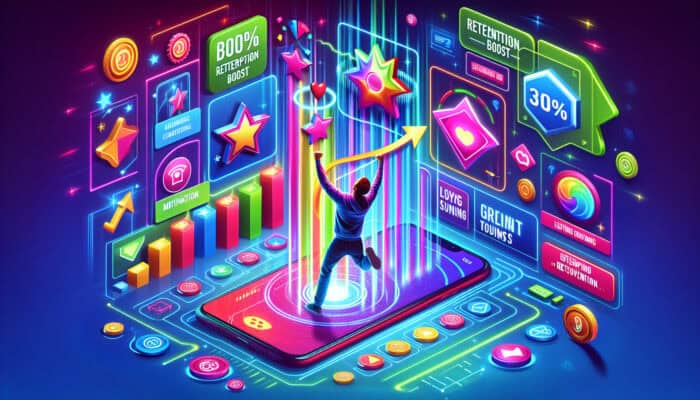
Gamification in loyalty programs revolutionizes the routine of taking supplements, turning it into a captivating experience by integrating engaging game-like elements, such as points, badges, and challenges. By incorporating these interactive features, users feel motivated to maintain consistency in their supplement routines, which cultivates a sense of long-term commitment. This innovative approach has been proven to boost retention rates by approximately 30% when compared to conventional engagement techniques. Essential game mechanics that effectively drive user engagement encompass the following:
- Points systems: Accumulate points for each supplement consumed or milestone achieved.
- Badges and achievements: Visual markers celebrating user progress and key milestones.
- Challenges and quests: Activities that inspire users to accomplish specific goals related to their supplement regimen.
- Leaderboards: Rankings that instill a sense of competition among users.
- Feedback loops: Instant feedback on actions that reinforce positive behaviors.
- Social sharing: Options for users to showcase their achievements on social media, fostering community engagement.
These elements synergistically create a vibrant ecosystem around supplement usage, transforming a potentially mundane task into a fulfilling and rewarding adventure.
What Are the Key Elements of Effective Gamification?
To achieve successful gamification in supplement loyalty programs, it is crucial to implement a well-thought-out design that prioritizes user motivation and engagement. Central to this design is the introduction of reward systems and progress tracking, which are essential for encouraging users to adhere to their supplement routines. By offering tangible rewards for consistent usage, users experience a gratifying sense of accomplishment, making their daily habits more enjoyable and fulfilling.
Additionally, to boost overall satisfaction and adherence, gamification should include features such as:
- Tiered rewards: A hierarchy of rewards that provides escalating benefits, motivating users to aim for higher tiers.
- Progress tracking dashboards: Visual tools that enable users to monitor their journey and set future aspirations.
- Reminders and nudges: Timely prompts that encourage users to stick to their regimen.
- Personalized experiences: Customizing challenges and rewards to align with individual user preferences.
These features create an atmosphere of fun within daily routines, significantly enhancing loyalty through positive reinforcement. When users feel that their efforts are acknowledged and rewarded meaningfully, they are more inclined to continue their supplement intake.
How Do the Benefits of Gamification Transform User Experiences?
Incorporating gamification into supplement usage converts it into an interactive experience, paving the way for improved health outcomes through consistent consumption. The engaging nature of gamified features can elevate user involvement by as much as 40%, making it easier for individuals to form and maintain healthy habits.
A primary advantage of gamification is its ability to cultivate habits by transforming supplement routines into engaging activities. Users participating in gamified experiences often establish a deeper connection with their health journeys. This connection is further fortified by features that include:
- Community engagement: Opportunities for users to interact with others who share similar health objectives.
- Incentivized challenges: Friendly competitions that motivate users to participate consistently.
- Regular feedback: Continuous updates on progress that encourage ongoing involvement and interaction.
- Health reminders: Notifications that not only prompt users to take their supplements but also celebrate their successes.
By fostering a steady connection between users and their supplements, gamification aids in establishing enduring habits, ultimately leading to stronger user ties and enhancing overall loyalty.
Insights from Experts on Leveraging Gamification to Enhance Supplement Loyalty
What Are the Core Principles for Successful Implementation?
Integrating gamification into supplement loyalty programs necessitates adherence to several core principles. To effectively bolster loyalty, brands must concentrate on designing reward tiers that resonate with user motivations. Actionable steps to take include:
1. Identify user motivations: Gain insights into what drives your audience—whether it’s health aspirations, social recognition, or financial benefits—so that you can tailor rewards to meet these needs.
2. Create tiered rewards systems: Develop a framework where users earn progressively larger rewards as they advance, thereby motivating them to maintain engagement over time.
3. Encourage social interactions: Build a community by allowing users to connect, share achievements, and take on challenges together. Real-world examples include platforms that make social sharing a fundamental aspect of their design.
4. Utilize data analytics: Monitor user interactions and preferences to continuously improve gamification features, ensuring they stay relevant and engaging.
Successful applications of these principles can be observed in existing supplement brands that have embraced gamification effectively. For instance, a supplement company that introduced challenges for users to log their daily intake and rewarded them with discount vouchers experienced a significant uptick in user retention rates. This illustrates that a thoughtful approach to implementing gamification leads to heightened user satisfaction and loyalty.
How Can Brands Measure the Success of Gamification Initiatives?
To evaluate the success of gamified loyalty programs, tracking specific metrics such as user participation and retention rates is essential. By employing data analytics, brands can fine-tune their gamification strategies to ensure measurable enhancements in supplement loyalty.
Key metrics to monitor include:
- User engagement rates: The frequency with which users interact with gamified elements, such as completing challenges or earning rewards.
- Retention rates: The percentage of users who continue to participate over time, indicating their commitment to the program.
- Customer feedback: Regular surveys to assess satisfaction levels and pinpoint areas for improvement.
- Achievement unlock rates: The rate at which users reach milestones, revealing the effectiveness of the rewards structure.
By analyzing these metrics, brands can identify successful strategies and areas that require enhancement. For example, if retention rates decline after a particular milestone, it may suggest that users feel less motivated beyond that point, prompting necessary adjustments in reward tiers or challenges. This data-driven approach guarantees that gamified methods remain effective and centered on the user experience.
What Advanced Techniques Can Enhance Gamification Efforts?
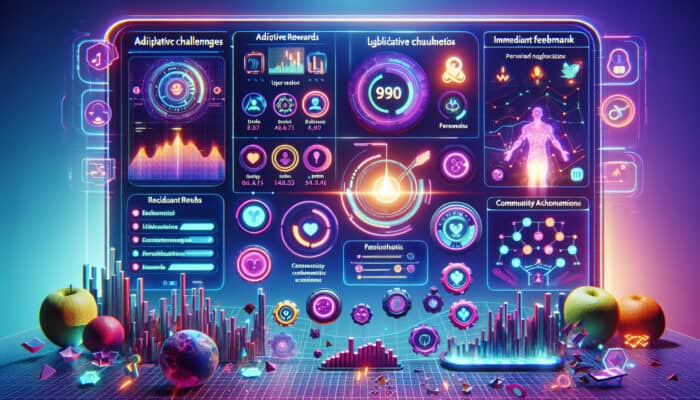
To amplify the effectiveness of gamification, brands can adopt advanced techniques focused on creating feedback loops that refine user experiences. Feedback loops not only provide users with immediate responses to their actions but also promote deeper engagement and loyalty in supplement usage.
Advanced strategies may include:
- Personalization algorithms: Utilize user data to customize challenges and rewards based on unique preferences and behaviors.
- Adaptive challenges: Design tasks that increase in difficulty as users progress, keeping the experience fresh and engaging.
- Regular updates: Introduce new features or challenges periodically to sustain user interest and motivation.
- Incorporating user-generated content: Allow users to create their challenges or share personal achievements, fostering a sense of ownership and community.
By adapting gamification strategies to align with user needs and preferences, brands can cultivate a more rewarding experience that encourages ongoing participation. This approach not only enhances user satisfaction but also solidifies long-term loyalty as users feel that their individual identities are acknowledged and valued.
How Does Gamification Enhance User Loyalty?
What Are Effective Ways to Integrate Rewards?
Gamification enhances user loyalty by providing tangible rewards for consistent supplement use, converting daily routines into exciting challenges. When brands implement personalized incentive structures, they often observe a substantial increase in user retention—often seen at rates as high as 25%.
Effective integration of rewards can be achieved through strategies such as:
- Clear reward criteria: Clearly outline what users must do to earn rewards, minimizing confusion and enhancing engagement.
- Diverse rewards: Offer a blend of rewards, including discounts, exclusive content, or products, appealing to various user preferences.
- Frequent reinforcement: Provide regular opportunities for users to earn rewards, maintaining motivation and engagement.
- Seasonal or themed challenges: Design limited-time challenges that coincide with holidays or events, generating excitement and urgency for participation.
These integrated reward systems not only enhance the enjoyment of supplement routines but also foster a sense of accomplishment and motivation to continue. When users feel recognized for their consistency, they are more likely to cultivate lasting habits and remain loyal to the brand.
How Do Challenges Play a Role in Engagement?
Challenges are crucial in engaging users by introducing a competitive edge that motivates them to uphold their supplement habits. By nurturing a sense of community through shared goals and achievements, gamification ensures ongoing participation, ultimately reinforcing loyalty.
The implementation of challenges can take various forms:
- Weekly or monthly goals: Establish achievable targets that prompt users to regularly document their supplement intake.
- Peer competition: Enable users to challenge friends or family members, adding a social dimension to supplement adherence.
- Progress tracking: Allow users to visualize their advancement toward goals, which can motivate them to strive for more.
- Incentivized group challenges: Offer rewards for collective participation, fostering camaraderie and support among users.
As users engage in challenges, they experience a sense of achievement and connection with others, further fueling their commitment to their supplement routines. This community-driven aspect not only boosts engagement but also creates a supportive environment that promotes loyalty.
What Are the Potential Impacts of Gamification on User Behavior?
Gamification profoundly influences user behavior by making supplements more attractive and enjoyable to incorporate into daily life. By adding fun, interactive elements, users are more likely to adhere to their routines, resulting in higher adherence rates and a dedicated user base.
The effects of gamification on behavior are evident in several ways:
- Increased motivation: Users are more likely to maintain consistency when their routines are gamified, as the process becomes less tedious and more rewarding.
- Enhanced accountability: Gamified systems often feature tracking capabilities, which help users hold themselves accountable for their supplement goals.
- Social reinforcement: Community elements provide support and encouragement from peers, making users more inclined to persist with their habits.
- Visual progress indicators: Seeing tangible evidence of progress can inspire users to continue with their supplement routines.
By cultivating an environment where supplement use is wrapped in engaging experiences, gamification nurtures a culture of consistency and dedication, ultimately leading to lasting health benefits for users.
How Do Leaderboards Influence Community Building?
The inclusion of leaderboards within gamification fosters a sense of competition and accomplishment among users, motivating them to consistently use supplements to ascend the ranks and gain recognition. This competitive aspect nurtures a supportive community, enhancing loyalty through ongoing participation and social interaction.
Leaderboards can be structured to reflect various metrics, such as:
- Daily or weekly challenges: Ranking participants based on their achievements in completing specific tasks.
- Points earned: Showcasing total points accumulated through consistent supplement intake and engagement with challenges.
- Peer comparisons: Allowing users to gauge their performance against friends or community members, fostering a healthy competitive spirit.
- Achievements unlocked: Highlighting users who reach significant milestones, inspiring others to pursue similar goals.
This community-centric element not only boosts user engagement but also cultivates a sense of belonging within the group. As users interact and celebrate each other's successes, their loyalty to the brand and commitment to their supplement routines are reinforced, potentially resulting in a 35% boost in retention rates.
Research-Backed Benefits of Gamification in Enhancing Supplement Loyalty
What Evidence Do User Studies Provide?
Research has shown that gamification can enhance supplement adherence by as much as 35%. Users respond favorably to interactive features that increase motivation and loyalty. The effectiveness of these strategies is highlighted by user studies demonstrating the impact of gamification on behavior.
For example, one study revealed that participants engaging with gamified supplements reported elevated motivation levels compared to those enrolled in traditional programs. Key features included:
- Progress visuals: Graphical representations of consumption patterns that provide motivation.
- Rewards systems: Earning bonuses for consistent usage that reinforces positive behaviors.
- Community feedback: Support from peers that creates a valuable network.
- Personalized challenges: Customized tasks that resonate with individual users, enhancing engagement.
These findings indicate that gamification not only makes supplement usage more engaging but also delivers measurable benefits in user adherence. By incorporating interactive elements, brands can elevate user experiences and foster long-term loyalty.
What Are the Long-Term Effects of Gamification on Retention?
Sustained interactions with gamified elements lead to stronger loyalty, as ongoing rewards diminish dropout rates by fostering habitual engagement with supplements over extended durations. The strategic design of gamification encourages users to develop lasting healthy habits that translate into long-term commitment.
Key aspects contributing to this phenomenon include:
- Continuous rewards: Regularly offering incentives to maintain user engagement and motivation.
- Habit-forming practices: Establishing routines that promote daily interaction with supplements.
- Community interaction: Encouraging users to connect and share experiences, which fosters accountability.
- Feedback mechanisms: Using user data to adapt and modify challenges based on participation and preferences.
This evidence suggests that when gamification is executed effectively, it can significantly influence user retention. Brands that focus on creating a rewarding and engaging experience are likely to see their users adhere to supplement regimens over the long term, enhancing overall health outcomes.
Why Does Gamification Work for Habit Formation?
Gamification skillfully leverages psychological triggers to build loyalty by tapping into intrinsic motivators such as achievement, competition, and social recognition. Data indicates that users experience increased satisfaction and repeat usage when enjoyable elements are integrated into supplement regimens, transforming daily routines into delightful experiences.
The psychological mechanisms at play encompass:
- Achievement gratification: Users experience a sense of accomplishment as they complete challenges and earn rewards.
- Social validation: Positive reinforcement from peers enhances motivation and encourages continued engagement.
- Goal setting: Users are more inclined to maintain routines when clear objectives are established and celebrated.
- Visual progress tracking: Seeing tangible results nurtures motivation and commitment to persevere.
By integrating these psychological triggers into the gamification of supplement routines, brands can create environments that not only make supplementation enjoyable but also embed long-term habits. Users are more likely to embrace their health journeys when they find joy in the process.
How Does Gamification Compare to Traditional Methods?
Research indicates that gamification surpasses conventional strategies in fostering supplement loyalty. Studies reveal that programs incorporating gamified elements can achieve retention rates that are 40% higher than those relying solely on simple reminders.
The reasons for this disparity include:
- Enhanced engagement: Gamification renders routines more appealing and mitigates forgetfulness by incorporating enjoyable elements.
- Motivational incentives: Rewards and challenges cultivate an atmosphere of excitement, encouraging users to remain committed.
- Community support: Social interactions bolster accountability and create a sense of belonging.
- Dynamic experiences: Frequent updates and new challenges keep users engaged over time.
The effectiveness of gamification in promoting supplement loyalty highlights the significance of adopting innovative strategies that resonate with users. By developing a more attractive and interactive experience, brands can substantially enhance user retention and long-term commitment to their supplement routines.
What Psychological Motivation Factors Are Influenced by Gamification?
Evidence from psychological studies indicates that gamification effectively taps into intrinsic motivators such as achievement and social recognition. These elements contribute to a 30% increase in long-term supplement loyalty by transforming ordinary habits into rewarding experiences.
The psychological factors influencing this loyalty consist of:
- Intrinsic motivation: Users are driven by a desire to achieve personal goals, making them more likely to adhere to their routines.
- Community engagement: Connections with peers sharing similar health objectives amplify motivation.
- Visual tracking: Progress indicators provide satisfaction and encouragement to persist.
- Positive reinforcement: Regular rewards create a feedback loop that promotes ongoing engagement.
By understanding and harnessing these psychological motivators, brands can construct gamification strategies that resonate profoundly with users, fostering loyalty through an enjoyable and rewarding health journey. The transformation of supplement habits into engaging experiences ultimately leads to healthier outcomes and sustained commitment.
What Challenges Are Associated with Implementing Gamification?
What Are Common Obstacles in Design?
Implementing gamification in supplement loyalty programs presents various challenges. One of the most significant hurdles is balancing reward frequency to prevent user fatigue. If rewards are overly frequent, users may lose interest; if they are too infrequent, users may feel unmotivated.
Other common design challenges include:
- Overcomplication: Gamified elements should be straightforward; complexity can deter users from engaging.
- Lack of personalization: Failing to customize experiences based on user preferences can lead to disengagement.
- Technology barriers: Users may encounter difficulties with platforms or apps that are not user-friendly.
- Measurement difficulties: Tracking engagement and success can be challenging without robust analytics.
Addressing these challenges demands meticulous planning and user feedback to ensure that gamification enhances the experience rather than complicates it. By prioritizing user engagement and satisfaction, brands can effectively navigate obstacles and successfully execute gamified strategies.
What Strategies Can Overcome Barriers?
To maintain loyalty amidst the challenges of gamification, brands must adapt their strategies to meet the diverse needs of their user bases. This adaptability is crucial for overcoming technical or motivational hurdles that could otherwise impede consistent supplement engagement.
Effective strategies encompass:
- User feedback mechanisms: Regularly solicit input from users to identify pain points and enhance the experience.
- Progressive onboarding: Gradually introduce gamified features, allowing users to acclimate to the system.
- Flexible reward systems: Create adaptable rewards that cater to varying user preferences and motivations.
- Technical support resources: Provide users with easy access to assistance for any technical issues they may encounter.
By proactively addressing barriers and ensuring that gamified experiences are seamless and enjoyable, brands can nurture user loyalty. Continuous adaptation and user-centered solutions will help maintain engagement and commitment to supplement routines.
How Can Brands Evaluate and Adjust Their Approaches?
Evaluating and adjusting gamification strategies is vital for sustaining user loyalty. Regular feedback from users allows brands to pinpoint areas needing improvement and make necessary adjustments to keep the experience fresh and engaging.
To effectively assess gamified strategies, brands should implement:
- User surveys: Gathering insights from users on their experiences can highlight strengths and areas for enhancement.
- Analytics tracking: Monitoring user engagement metrics to evaluate the effectiveness of gamified features.
- Iterative testing: Regularly testing new features on a smaller scale before full implementation to gauge user response.
- Feedback loops: Establishing mechanisms for ongoing user input to guide adjustments and improvements.
By fostering a culture of continuous improvement and responsiveness to user needs, brands can create a gamified experience that evolves alongside their audience. This adaptability is pivotal in building lasting loyalty and ensuring users remain engaged with their supplement routines over time.
What Is the Impact on User Motivation?
Managing motivation levels in gamification is crucial to prevent user burnout. If users feel overwhelmed or overly reliant on rewards, it can undermine their long-term health habits. Striking the right balance between motivation and sustainability is essential for fostering engagement and loyalty.
Key considerations for maintaining motivation include:
- Reward variety: Introducing a mix of rewards can keep users engaged without fostering dependency on a single type of incentive.
- Clear expectations: Clearly communicating how rewards are earned helps users understand the purpose of challenges and maintain focus.
- Encouraging intrinsic motivation: Focus on fostering internal rewards—such as personal satisfaction and achievement—alongside external incentives.
- Regular check-ins: Use feedback sessions to assess how users feel about gamification and make necessary adjustments.
By carefully managing motivation levels and ensuring that gamification supports users' long-term health goals, brands can promote sustained engagement without creating negative dependencies. A thoughtful approach will enhance user loyalty and encourage healthy habits over the long term.
What Are the Scalability and Adaptation Issues?
Scaling gamification systems for larger supplement programs presents unique challenges. As user groups diversify, maintaining personalized experiences becomes increasingly important to ensure loyalty and engagement.
Challenges may include:
- Varying user preferences: A one-size-fits-all approach may not resonate with diverse user demographics.
- Technical scalability: Ensuring the platform can accommodate an increasing number of users without performance issues.
- Resource allocation: Effectively distributing resources to support increased engagement and maintenance of gamified elements.
- Data management: Handling a larger volume of user data to provide meaningful insights and customization.
To address these challenges, brands must prioritize adaptability and user-centric design. By leveraging data analytics to understand user behaviors and preferences, brands can create scalable solutions that maintain the personalized touch essential for fostering loyalty. A commitment to continuous improvement will ensure that gamification strategies evolve alongside an expanding user base.
What Strategies Are Effective for Implementing Gamification?
How to Design Personalized Experiences?
Customizing gamification to individual preferences is crucial for enhancing supplement loyalty. Personalized experiences make interactions more relevant to users, leading to higher engagement levels and long-term commitment.
Key strategies for personalizing gamification include:
- User segmentation: Categorizing users based on preferences, behaviors, and demographics to tailor challenges and rewards.
- Dynamic content customization: Adapting gamified features to reflect individual user journeys and milestones.
- Customized notifications: Sending tailored reminders that resonate with users' goals and progress.
- User-generated challenges: Allowing users to create their challenges fosters a sense of ownership and personalization.
By crafting personalized experiences, brands can forge meaningful connections with users, increasing engagement and loyalty. As users feel recognized and valued, they are more likely to embrace their supplement routines and maintain commitment over time.
What Are the Best Practices for Integrating Gamification with Existing Routines?
Seamless integration of gamified elements into users' daily supplement routines is vital for enhancing loyalty. By ensuring that gamification fits naturally into established habits, brands can encourage stronger adherence and satisfaction.
Strategies for integration may include:
- Routine reminders: Sending timely notifications that align with users' existing supplement schedules.
- Compatibility with daily activities: Designing challenges that complement users' lifestyle choices, making participation effortless.
- Simplified user interfaces: Creating user-friendly platforms that minimize friction in engaging with gamified features.
- Feedback on daily progress: Providing regular updates on performance that reinforce users' existing routines.
When gamification enhances rather than complicates existing habits, users are more likely to engage with the experience. By focusing on seamless integration, brands can foster durable loyalty and encourage consistent engagement with supplement regimens.
What Future Trends Should Brands Watch in Gamification?
Emerging technologies are poised to significantly influence the future of gamification in loyalty programs. Innovations such as AI, augmented reality, and wearable technology could transform supplement engagement by introducing new interactive features that keep users motivated and loyal.
Trends to monitor include:
- Artificial intelligence: Utilizing AI to personalize user experiences based on real-time data analysis and feedback.
- Augmented reality: Creating immersive experiences that enhance user interaction with supplements and gamified elements.
- Wearable technology: Integrating gamification with health trackers to provide real-time feedback and motivation.
- Social gaming elements: Encouraging community interactions through mobile apps that facilitate challenges and competitions.
These advancements hold the potential to create even more engaging and personalized experiences, boosting user loyalty. Brands that remain attuned to emerging trends and technologies will be well-positioned to maintain their competitive edge and cultivate lasting relationships with their users.
How Can Brands Utilize Social Features in Gamification?
Incorporating social elements such as leaderboards and shared challenges can foster a sense of community among users. This communal approach enhances supplement loyalty by promoting peer support and competition, leading to sustained engagement and increased retention rates.
Effective implementation of social features involves:
- Community challenges: Encouraging users to participate in group challenges that promote collaboration and camaraderie.
- Social sharing options: Allowing users to showcase their achievements on social media platforms, amplifying visibility and engagement.
- Peer recognition: Highlighting top performers and acknowledging accomplishments within the community to inspire others.
- Feedback forums: Creating spaces for users to discuss experiences, share tips, and support each other in their health journeys.
By cultivating a sense of belonging, social features enhance user motivation and commitment to supplement routines. As users feel connected to a community, their likelihood of achieving health goals and remaining loyal to the brand increases significantly.
FAQs
What is Gamification in Supplement Loyalty Programs?
Gamification in supplement loyalty programs involves incorporating game-like features, such as points and badges, to create a more engaging experience that fosters long-term commitment.
How Does Gamification Increase User Retention?
Gamification boosts user retention by making supplement routines enjoyable through rewards, challenges, and community features, leading to higher engagement levels.
What Are Some Effective Gamification Strategies?
Effective gamification strategies include personalized experiences, tiered rewards systems, community engagement, and progress tracking that motivate users to adhere to supplement routines.
How Can Brands Measure the Success of Gamification?
Brands can measure the success of gamification by tracking metrics such as user participation rates, retention rates, and user feedback to optimize their strategies.
What Are the Benefits of Using Gamification in Health Products?
Gamification in health products promotes user engagement, fosters community, improves adherence to routines, and ultimately leads to better health outcomes.
What Challenges Arise with Gamification Implementation?
Common challenges include balancing reward frequency, ensuring user-friendly designs, and adapting gamification strategies to meet diverse user needs.
How Can Brands Personalize Gamified Experiences?
Brands can personalize gamified experiences by segmenting users, customizing challenges and rewards, and leveraging user data to tailor interactions.
What Role Do Social Features Play in Gamification?
Social features enhance community engagement, foster competition, and provide support among users, significantly boosting loyalty and retention rates.
How Does Gamification Leverage Psychological Triggers?
Gamification leverages psychological triggers such as achievement, social recognition, and progress tracking to motivate users to maintain their supplement routines.
What Are Future Trends in Gamification for Supplements?
Future trends may include AI personalization, augmented reality experiences, integration with wearable technology, and enhanced social gaming elements to keep users engaged.
Check out our X profile for exciting updates!
The Article Using Gamification to Increase Supplement Loyalty was first published on https://marketing-tutor.comfrom The Marketing Tutor https://bit.ly/4dPQhsw
via IFTTT

No comments:
Post a Comment